Kings’ Day in Spain: A Celebration Fit For a King
Let the Festivities Begin
In Spain, the most enchanting moment of the holiday season does not arrive on December 25. Instead, it appears nearly two weeks later on January 6, when the country celebrates Día de Reyes. or Kings’ Day. This holiday commemorates the arrival of the Magi who, according to Christian tradition, brought gifts to the infant Jesus. For Spanish families, especially children, this is the true climax of Christmas: a festival of pageantry and time-honored rituals that blend faith, folklore, and community. My family and I were fortunate enough to experience Kings’ Day for ourselves in Granada, Spain. We enjoyed it so much that I want to bring this special holiday to you.
Time for a Parade
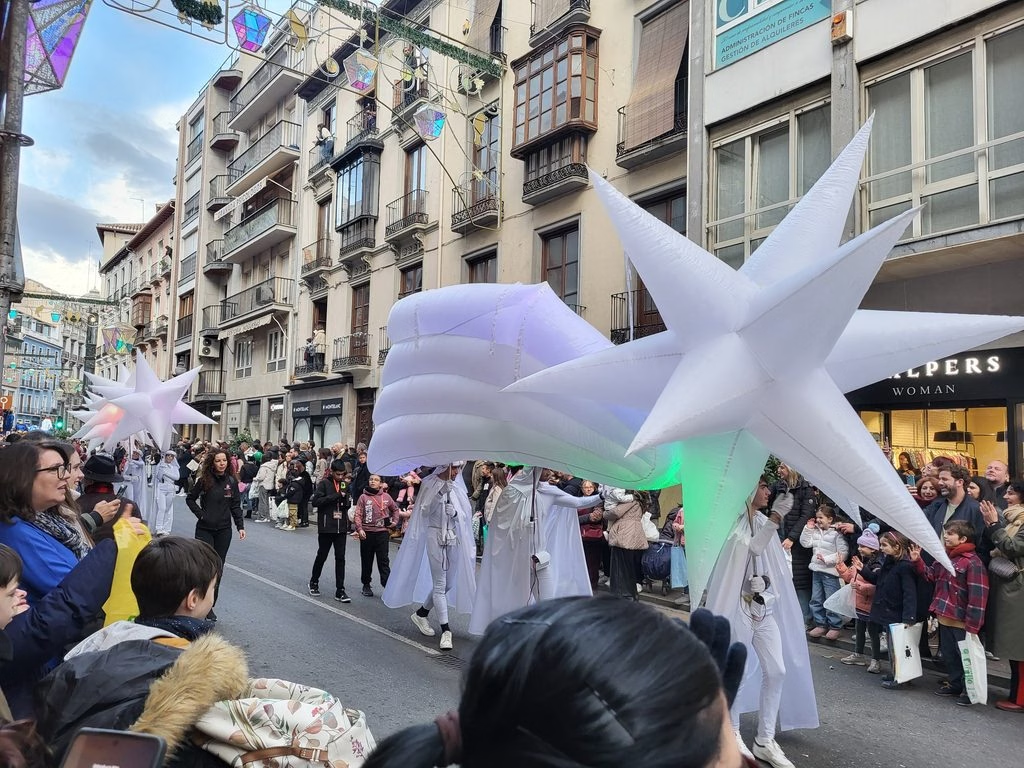
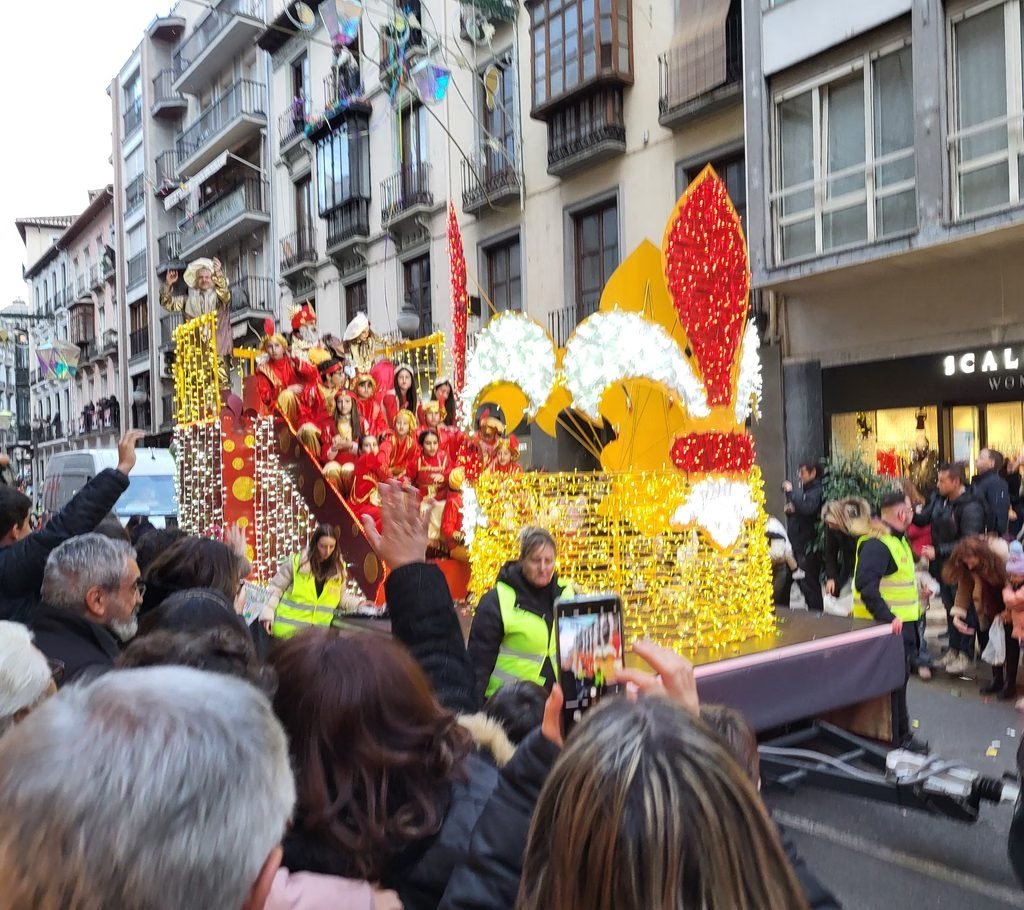
Kings’ Day celebrations begin on the evening of January 5 with the Cabalgata de Reyes, a grand parade held in towns and cities across the country. As dusk falls, streets fill with families craning their necks for a glimpse of the Three Wise Men. Riding on elaborately-decorated floats—or sometimes on camels—the Kings wave to the crowds and toss sweets into the air. Marching bands, dancers, and costumed characters transform city centers into open-air theaters. In large metropolises like Madrid and Barcelona, the cabalgatas are massive productions with music, light shows, and carefully choreographed themes. In smaller towns, they feel more intimate but no less magical.
Back home following the parade, children place shoes by their bedroom doors or under the Christmas tree, ready to be filled with gifts. In many households, children leave out water or hay for the Kings’ camels and sometimes a small treat for the visitors themselves. This ritual mirrors Santa Claus traditions elsewhere, but in Spain the Kings are the central gift-givers.
Let Them Eat Cake!
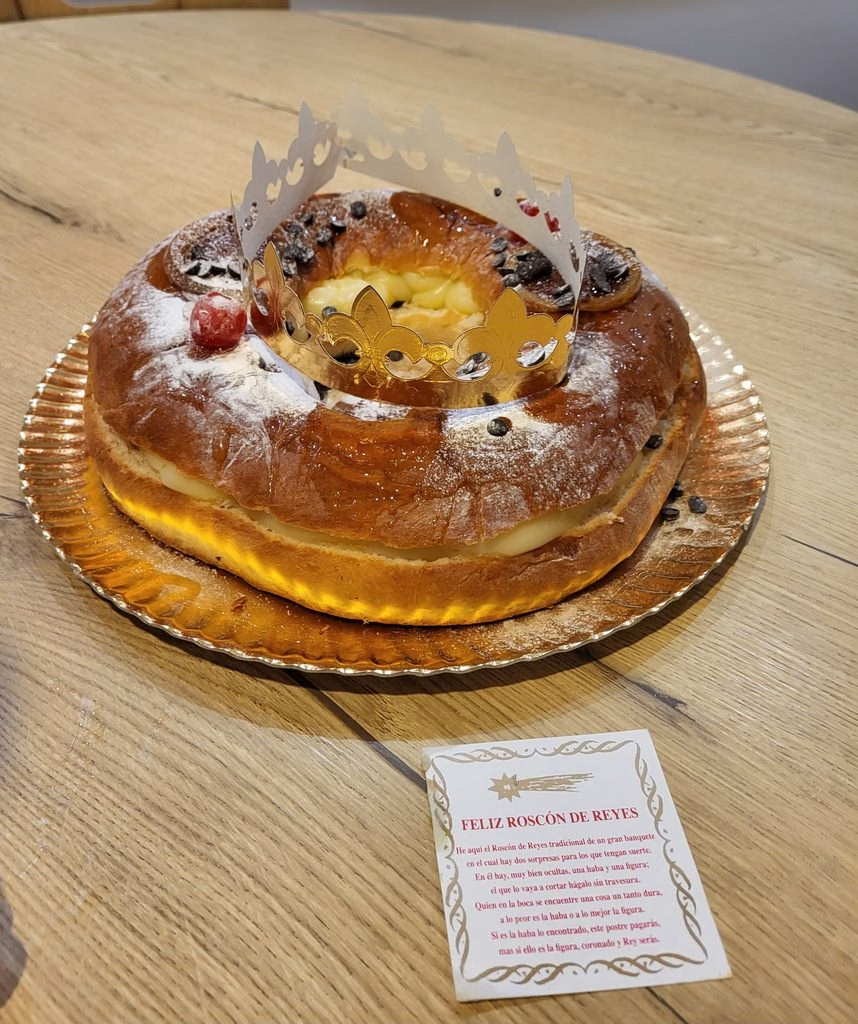
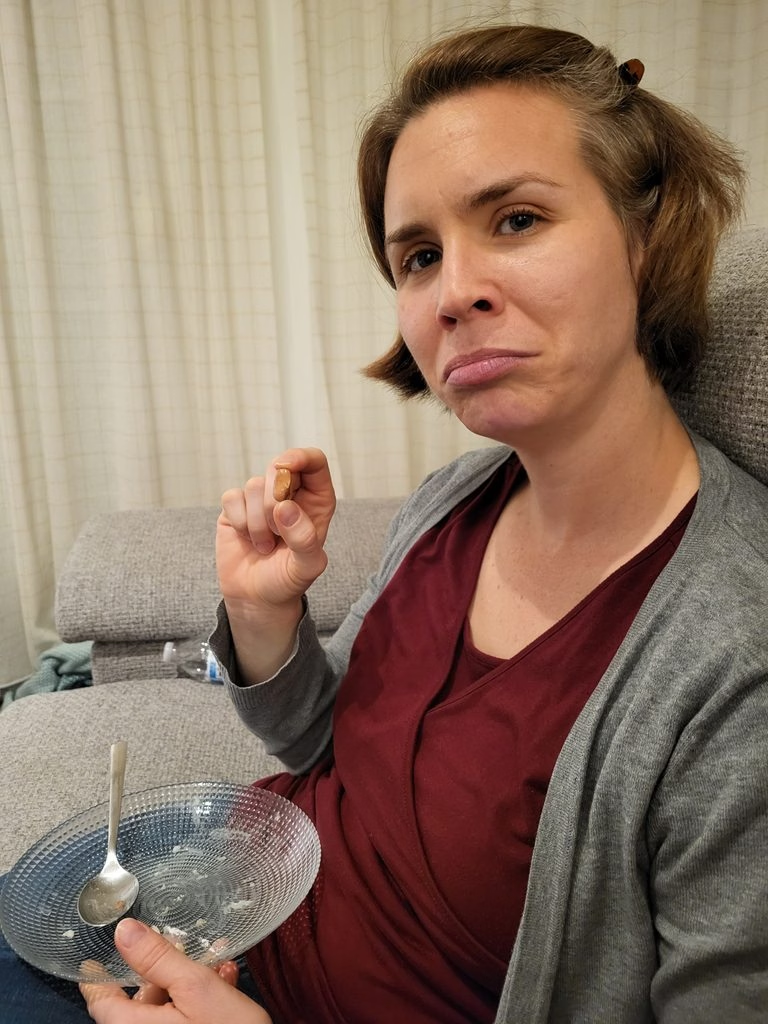
The morning of January 6 is a joyful climax. Children rush to see what the Kings have left, and families gather for breakfast or brunch centered on the roscón de reyes, a ring-shaped sweet bread decorated with candied fruits that symbolize jeweled crowns. Inside the roscón are hidden surprises: a small figurine of a king and a dried bean. Tradition holds that whoever finds the figurine is crowned “king” for the day, donning a paper crown that often comes with the cake, while the unlucky finder of the bean must pay for the roscón next year. To my chagrin, last year my husband found the king and I the bean. We know what I will be doing January 6 of this year!
Family Time
While Día de Reyes has deep religious roots, its modern celebration is as much cultural as it is spiritual. Many families attend Mass, but the day is equally about togetherness, generosity, and marking the end of the festive season. In some regions, local customs add distinctive flavors. In Catalonia, for example, children may send letters to the Kings weeks in advance, detailing their wishes and promising good behavior. In parts of Andalusia, the parades are particularly exuberant, with entire neighborhoods competing to host the most colorful floats.
In a world that often rushes forward, Día de Reyes stands as a reminder of the power of tradition—of how a shared story, celebrated together, can still make an entire country feel like a child waiting wide-eyed for wonders to arrive. This year, I encourage you to extend your holiday season and celebrate Kings’ Day. It is a wonderful way to put more emphasis on family, tradition, religion, and of course – delectable sweets!
Liked learning about the history and traditions of Spain? Then you’ll love learning about our specialties, Cumberland Island and St. Marys, Georgia!
Check out our tours such as the Cumberland Island Walking Tour: Haunting Ruins and Wild Horses or the St. Marys Murder, Mayhem, and Martinis Walking Tour!
0 Comments